
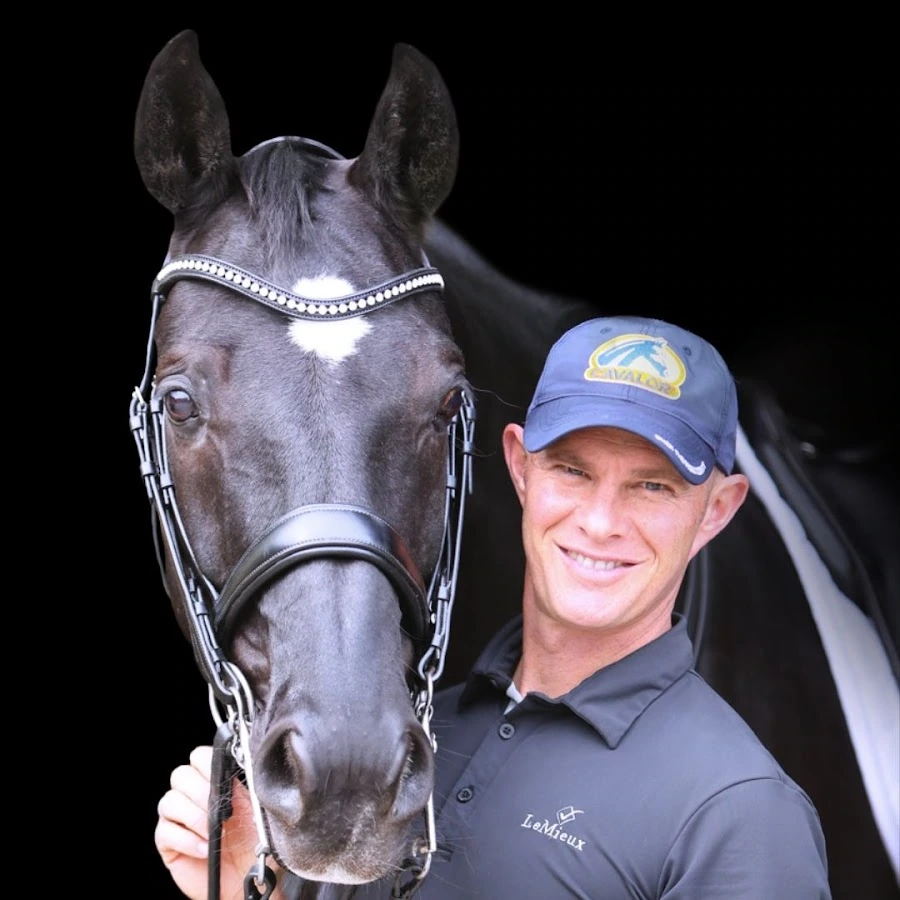
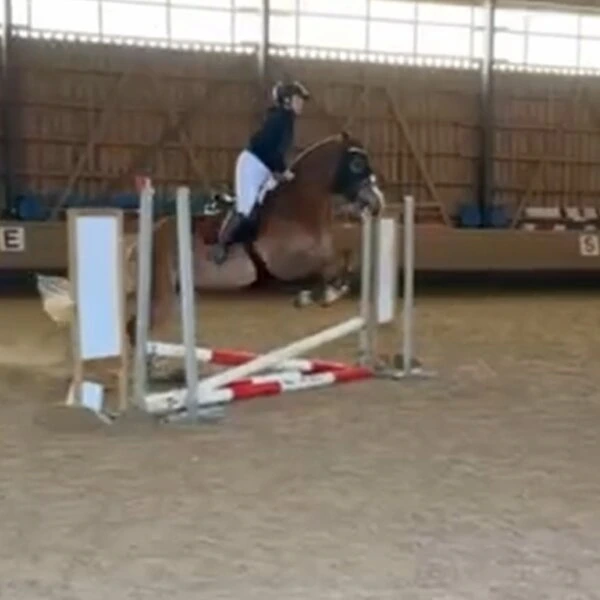
My ex-trotter was so stressed and reactive that trying to ride her was genuinely dangerous; she would panic and bolt. TRT helped us rebuild our connection from the ground up, especially through liberty work. She finally learned to relax without pressure, and now we can safely gallop together.
Starting Young HorsesStarting Young Horse Course
By Tristan Tucker
Your first ride is eight weeks away.
An 8 week program that takes you from the first connection on the ground to the first relaxed rides, one week at a time. We start together on October 12.
€149
Join the group starting Monday, October 12.4.5/5 on Trustpilot · Join 122,000+ riders in 90+ countries
- ✓8 weekly modules plus case studies and three bonus courses
- ✓Live Q&As with Tristan
- ✓Lifetime access, yours to keep
122,000+Members
90+Countries
LifetimeAccess
30 daysMoney-back guarantee
Oct 12We start together
14Languages
As seen in
eurodressage
eurodressage
WHO IS THE STARTING YOUNG HORSE COURSE FOR?
Starting a young horse brings out every question at once.
The One Chance Feeling
You know the first experiences stick. Saddle, bridle, rider: he will meet them all for the first time exactly once, and you want to be the person who gets it right.
The Conflicting Advice
One trainer says lunge him for a month, another says get on in week one. Everyone is certain, nobody agrees, and your horse is the one who pays for the confusion.
The Waiting Trap
“He's not ready yet” has quietly become “we haven't started”. Without a clear order of steps, waiting feels safer than beginning.
Sound familiar?
- You want to build it right the first time.
- Waiting feels safer than beginning.
- Sending your horse away for a month feels like the only option, and not a good one.
- Even if a professional does the first rides, you want to prepare your horse yourself.
- You have already started your horse a little, and you suspect there are gaps.
- Lunging your horse until he is tired has never felt like an answer.
- You have no way of knowing whether your horse is actually ready.
JOIN THE OCTOBER 12 GROUP
30-Day Money Back Guarantee
The real problem
Don't rely on outdated methods
The old way tires him out. It never teaches him anything.
Lunge him until he has no energy left. Let him buck it out. Get on while he is too tired to argue. It is still the most common way young horses are started, and it works often enough that nobody questions it.
But a tired horse is not a prepared horse. All he learned is that the saddle arrives when he is exhausted, and that the tension he felt was never answered, only outlasted. It comes back later, at the show, at the trailer, on the first windy day.
This program does the opposite. Before anything goes on his back, he learns what to do when tension rises: notice it, and release it himself. Then the girth, the saddle, the bridle and your weight follow one step at a time, each at the moment he can handle it.
That is what makes the first ride calm. Not exhaustion. Preparation.
"I've developed a method that won't cause your young horse to feel stressed. Give your horse a stress-free start and prevent dangerous situations."
"I joined TRT because I wanted to give my horse the best possible start into becoming a riding horse, and I wanted to be the best trainer I could be for him."
 Kelly GroenestijnTRT member
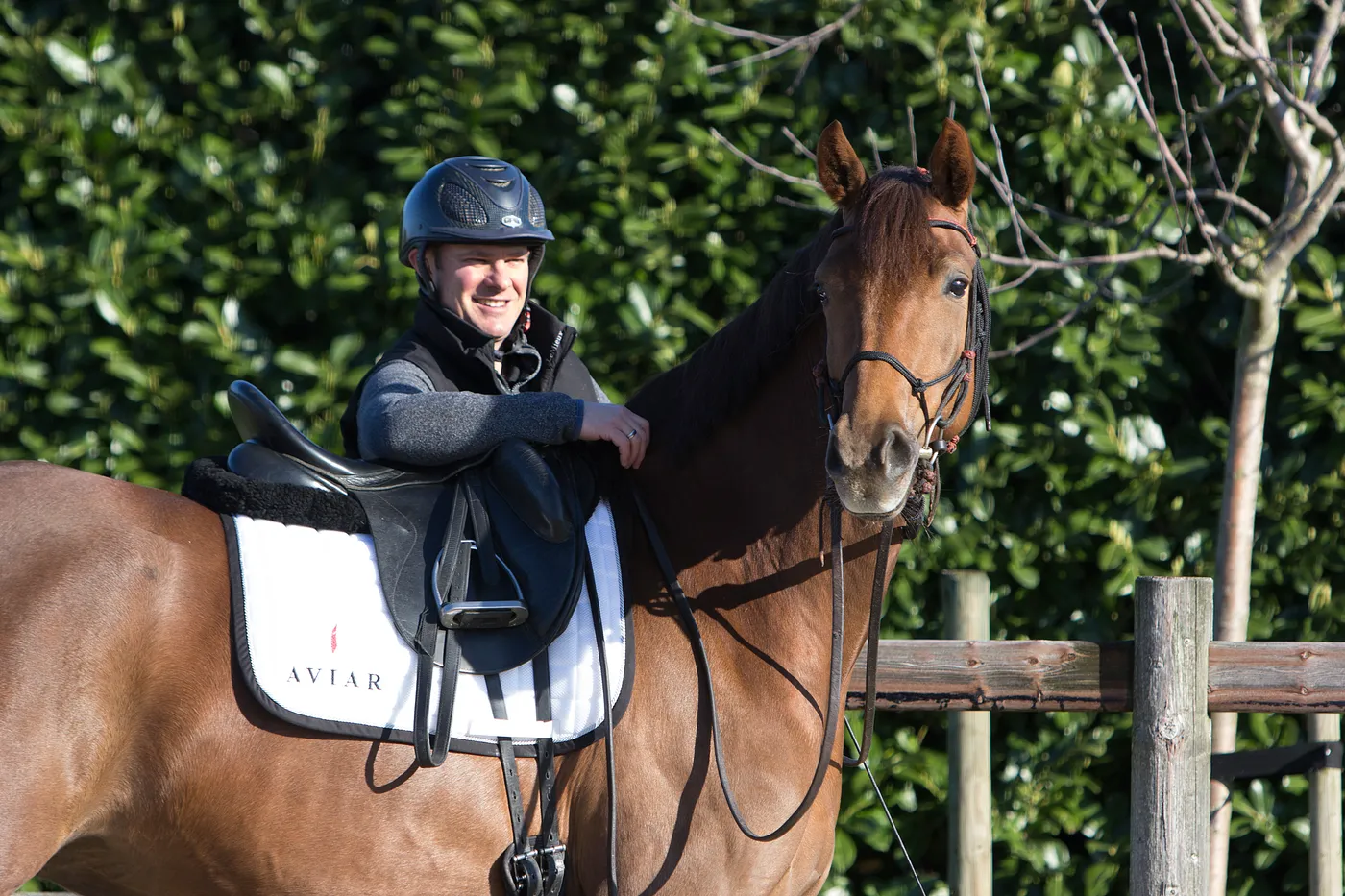
Your instructor
Meet Tristan Tucker.
Founder of the TRT Method, Tristan has spent decades helping riders understand tension before it becomes fear or resistance. A Grand Prix dressage rider himself, he has helped riders all over the world build calmer, more confident horses and now works primarily with Olympic riders and other top level riders. In the Starting Young Horse Course, provides a framework for starting horses in a relaxed and safe way.
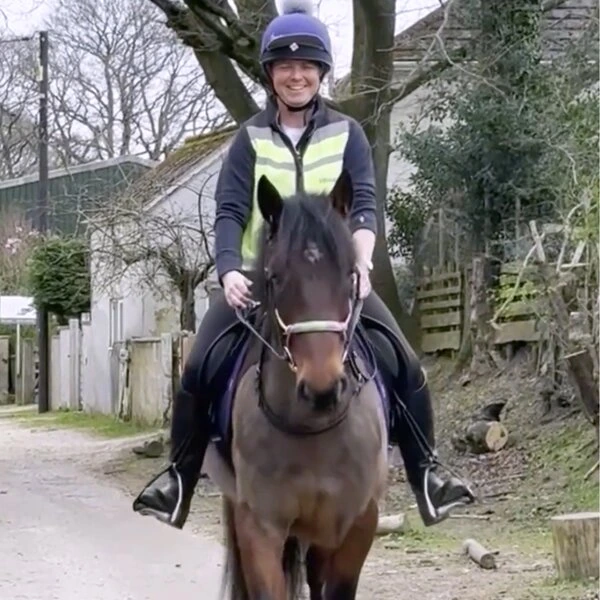
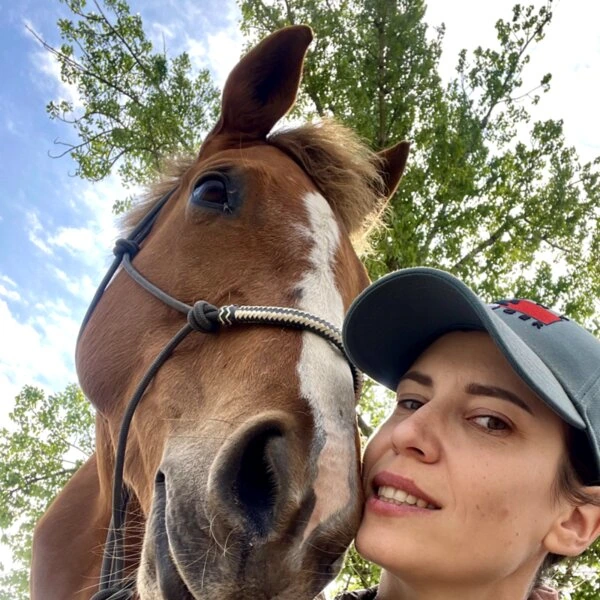
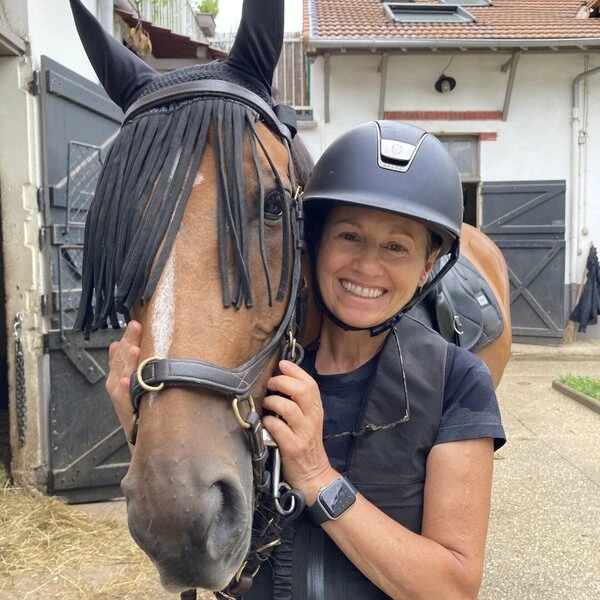
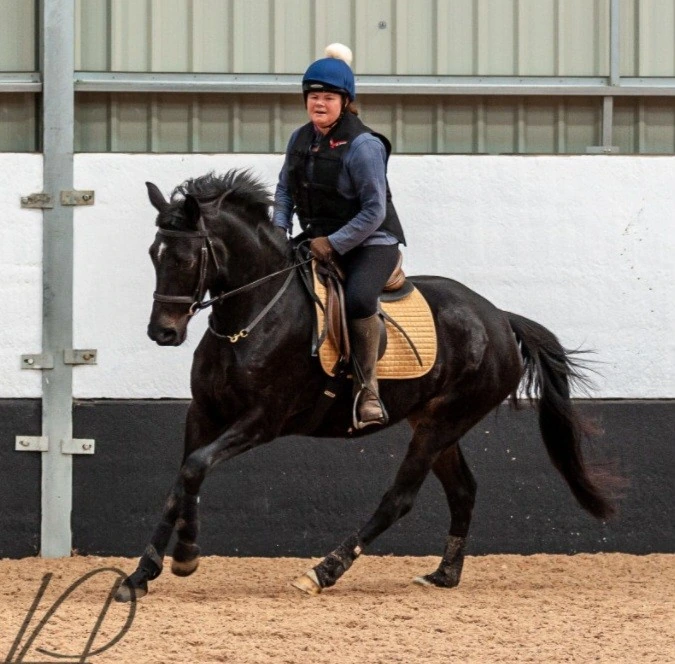
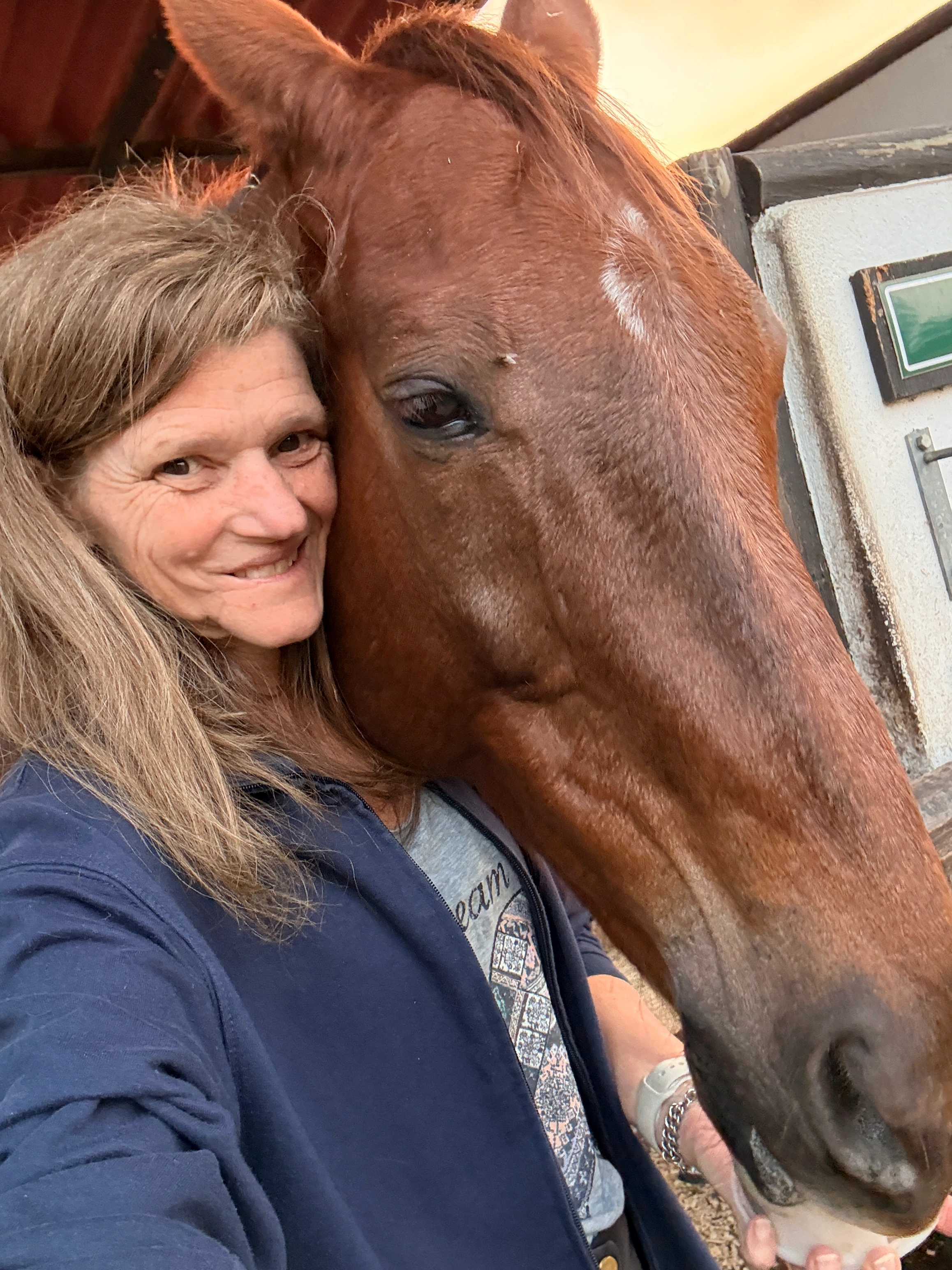
My ex-trotter was so stressed and reactive that trying to ride her was genuinely dangerous; she would panic and bolt. TRT helped us rebuild our connection from the ground up, especially through liberty work. She finally learned to relax without pressure, and now we can safely gallop together.
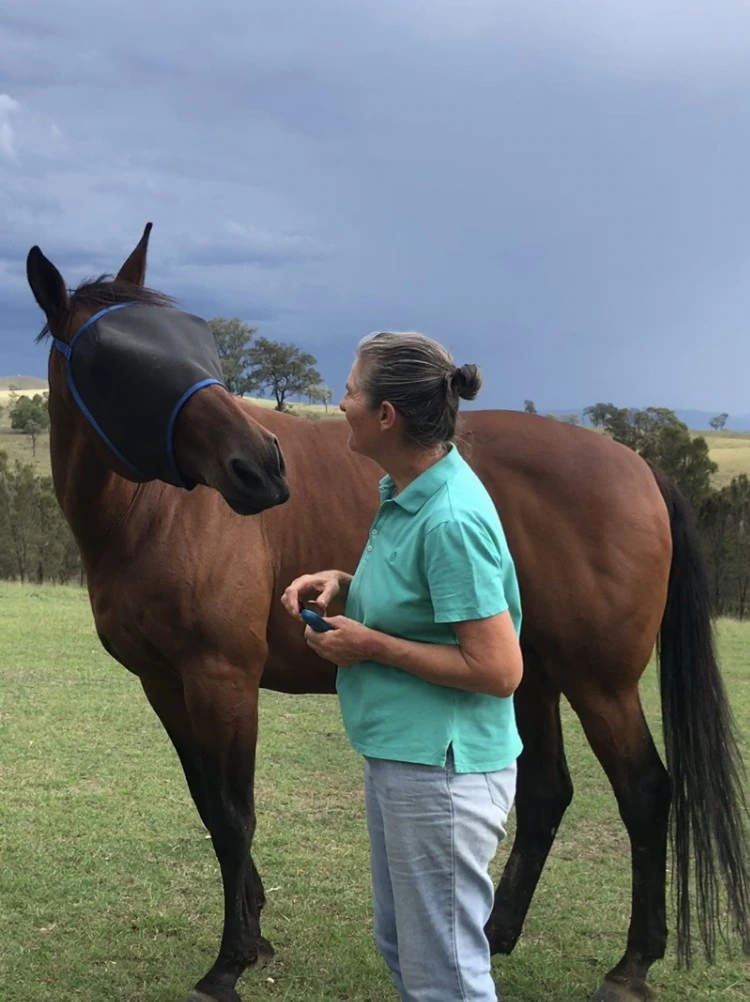
I felt like I was failing my young horse. He would freeze up, and every ride became a battle that destroyed our confidence. Thanks to the TRT method, the tension release exercises helped him focus on his body. Now he has the tools to help himself, and we are finally connected.
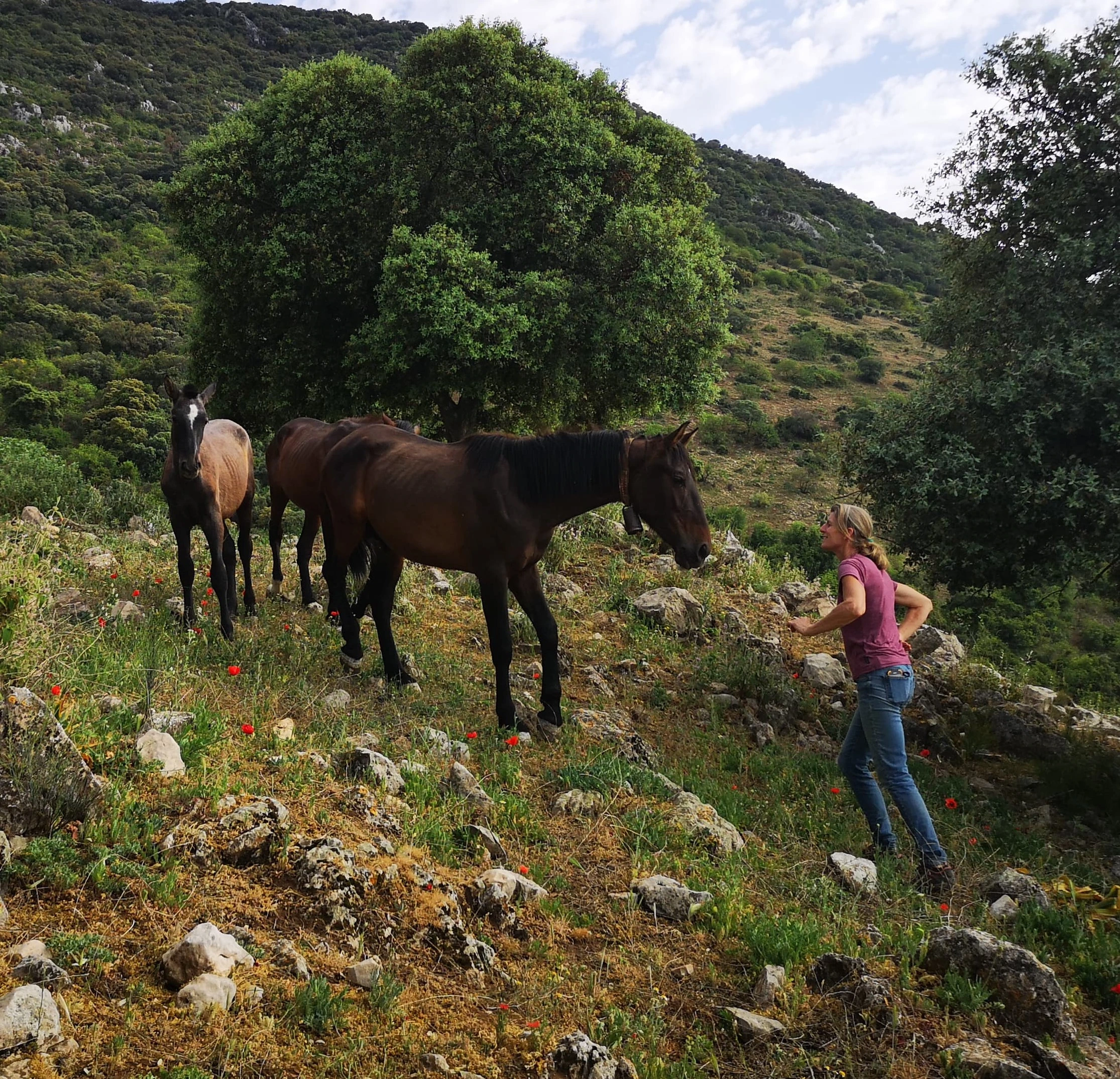
Lila was in so much tension that she was biting and kicking whenever you tried to touch her. She couldn't even be ridden or lunged. Thanks to the TRT method, we taught her how to release that tension in her body first. Eventually, she started to trust us, and working with her became a real pleasure.
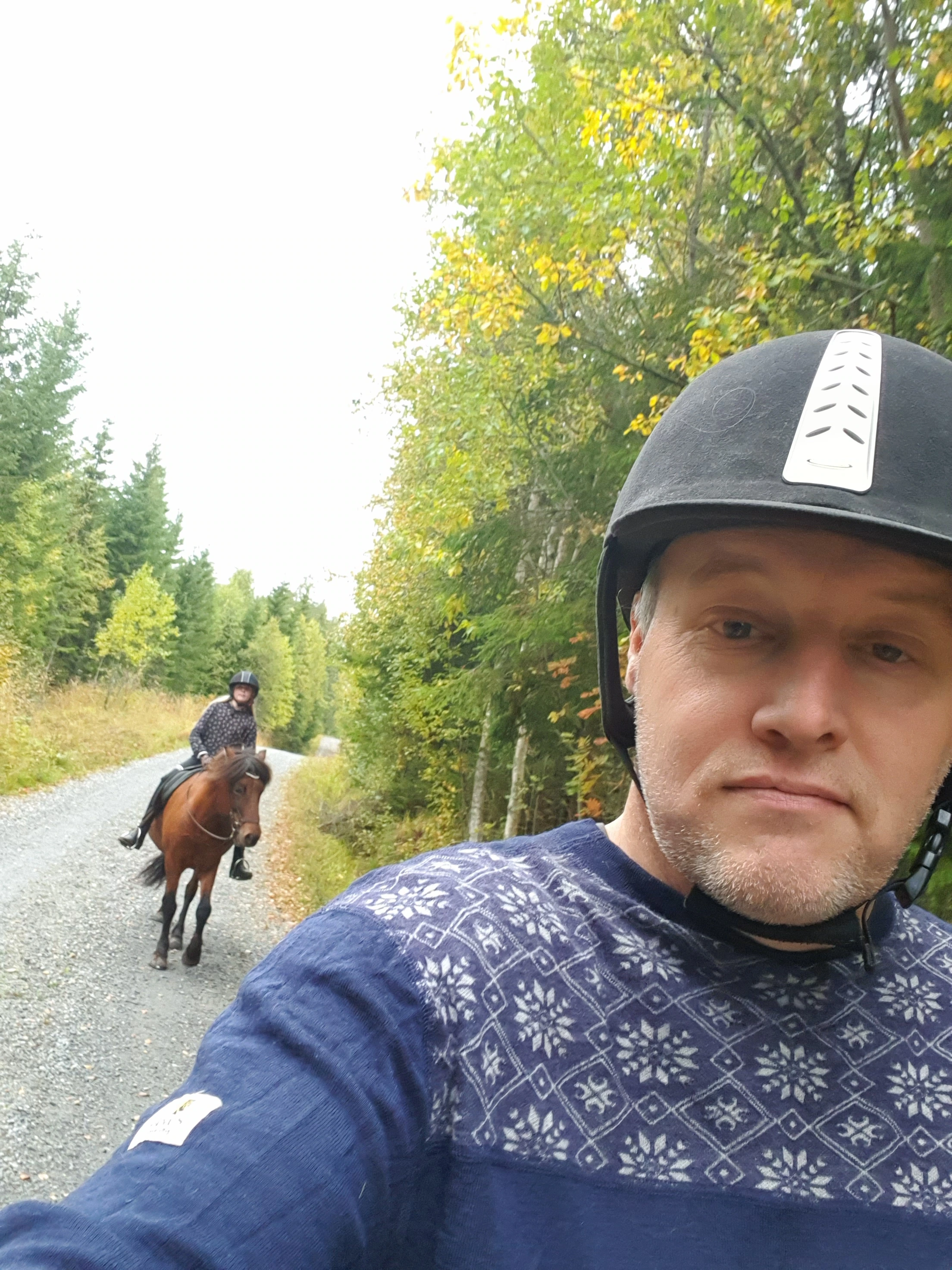
My mare arrived very anxious and hot in her head, basically a mirror image of myself. Working with the TRT patterns helped us gain confidence in one another. We can finally enjoy trail rides in the forest and it helped me find joy in my riding again.
4 riders. Swipe for more
Why you shouldn't just “send your horse away” to a professional.
A common belief is that starting a young horse is a job exclusively for professionals. Many owners send their horse away for a month, hoping it comes back perfectly trained.
But here is the truth: the essence of a good start isn't just about getting a rider on their back. The ultimate goal of the TRT Method is teaching your horse how to self-regulate their own tension in scary situations.
Even if you prefer a professional to do the actual first rides, there are essential preparation steps you can—and should—do yourself.
By taking charge of the preparation before you get in the saddle, you equip your horse with a system to process stress. So, even if the professional getting in the saddle doesn't work according to the TRT Method, your horse is already immensely prepared mentally.
LESSON PLAN
Eight weeks, in the order your horse needs them.
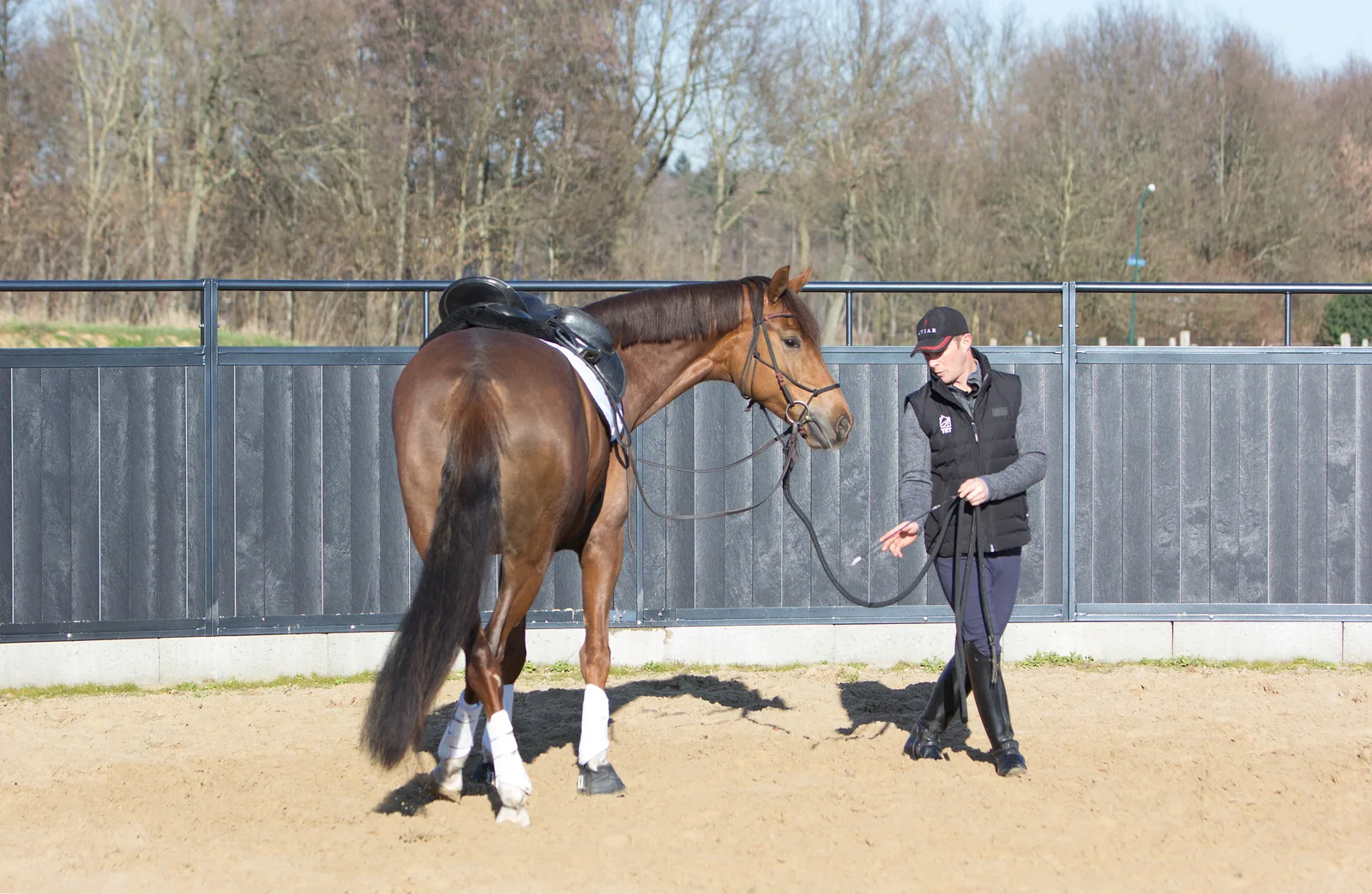 Week 1
Establishing a connection
Is your horse present? The leading exercise, basic control of the body, and what it really means to make contact.
4 steps
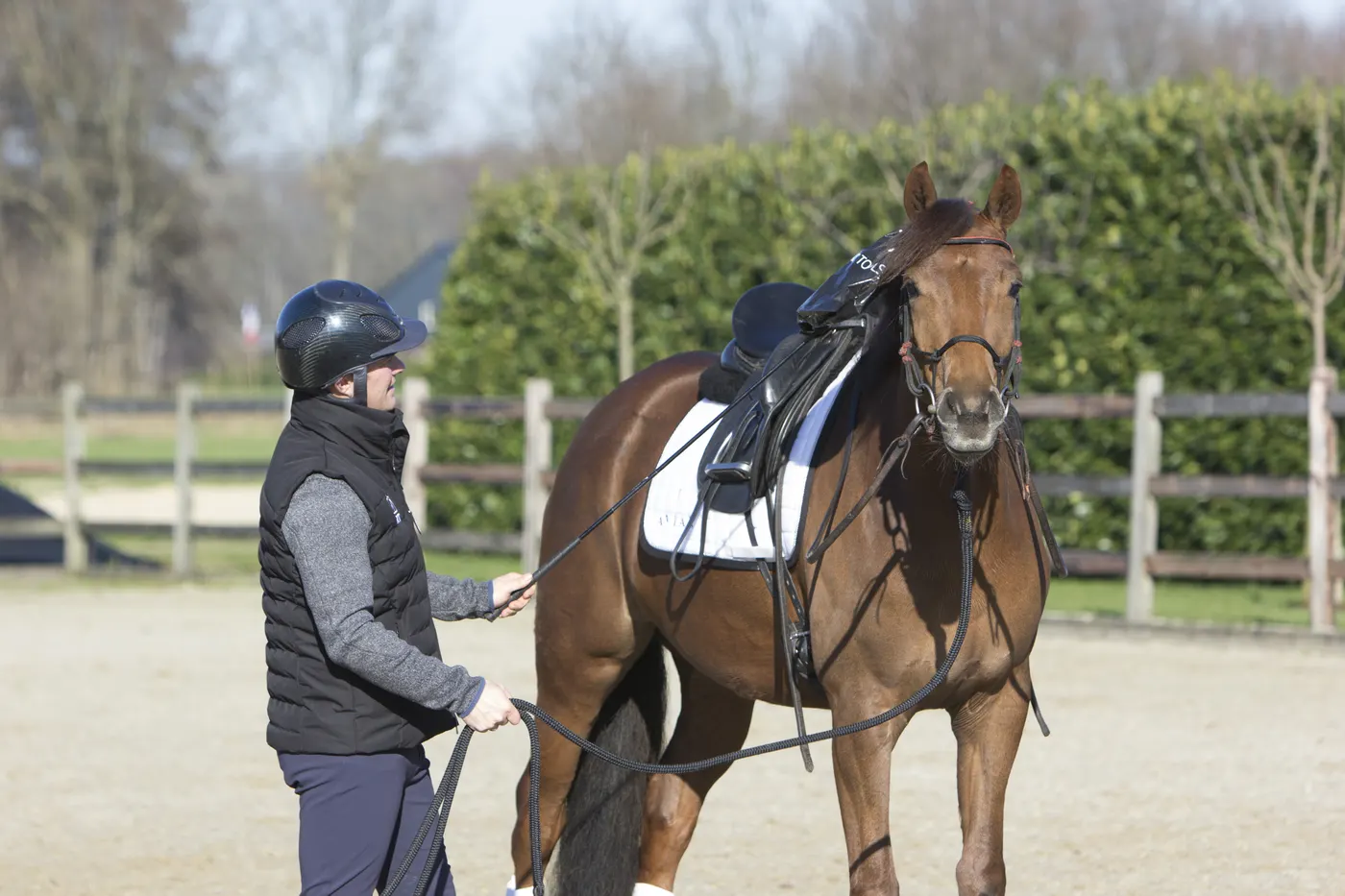 Week 2
Working with the tools
The tension release points, the tools, and the first preparation for the girth.
3 steps
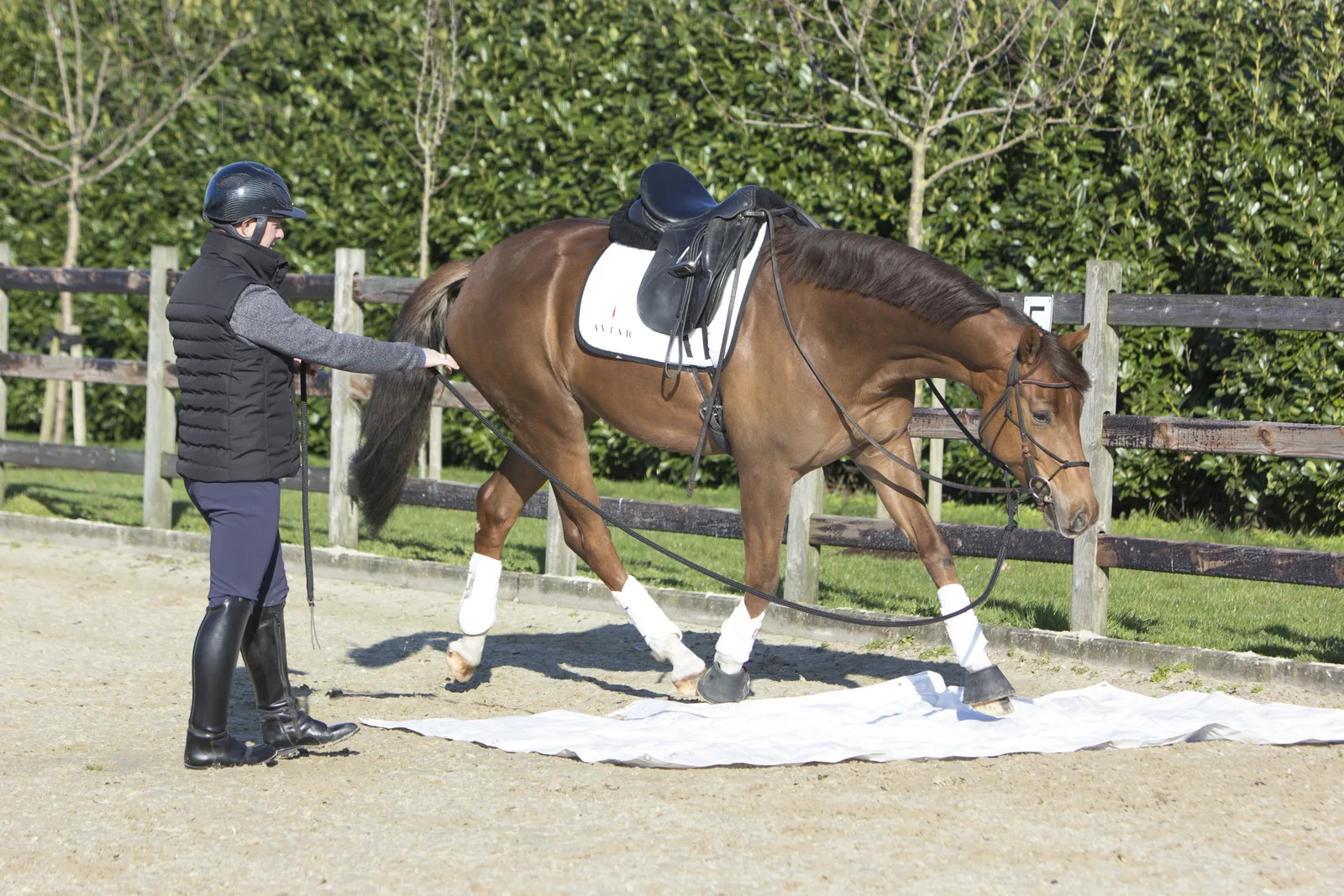 Week 3
Going through the checklist
A full check of the foundation before you continue. If something is not solid yet, this is the week you find out, not week seven.
Check-in
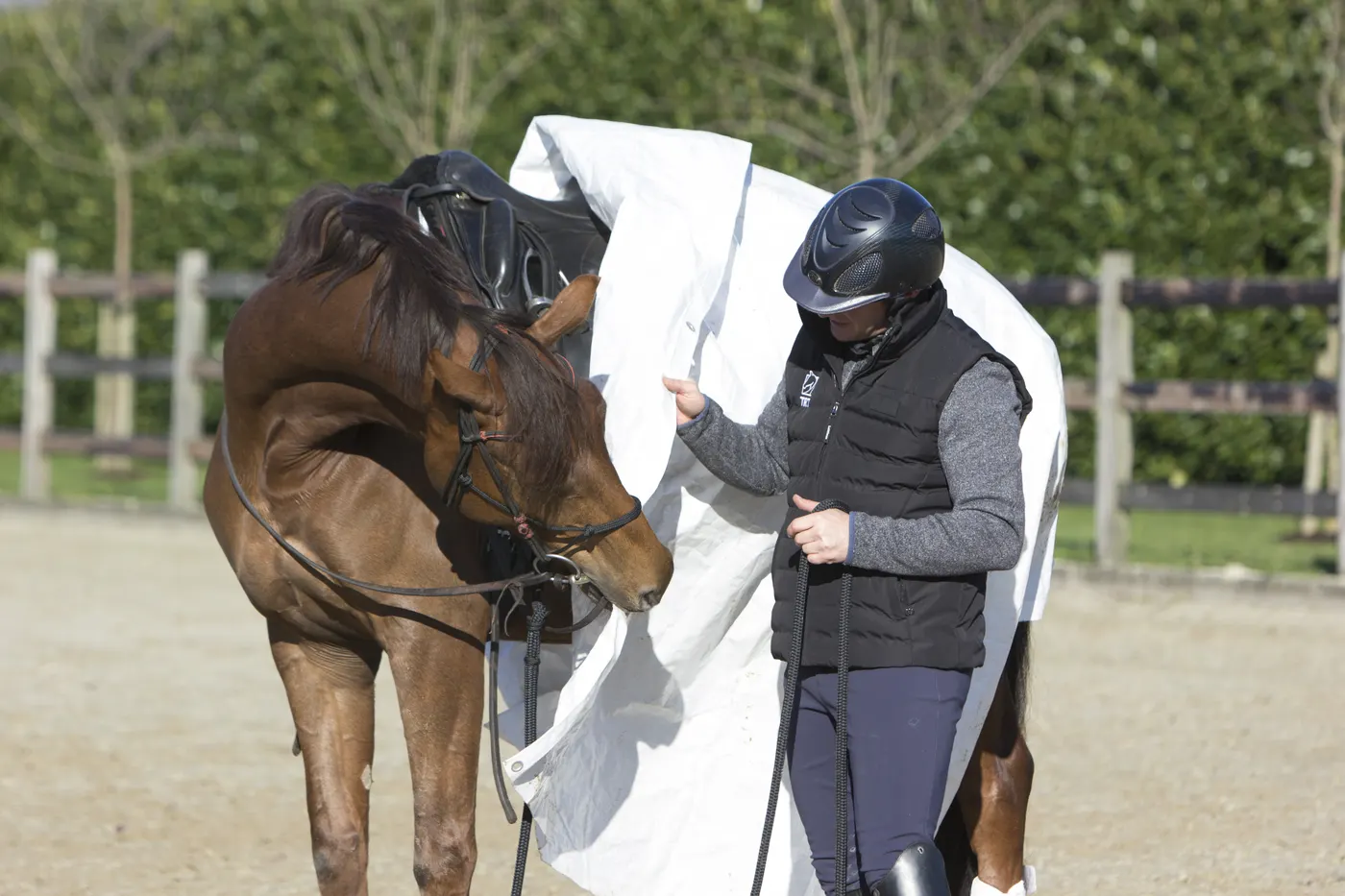 Week 4
Introducing the saddle
Saddling, creating a posture for carrying, using the tools with the saddle on, and moving freely through a scary world.
5 lessons
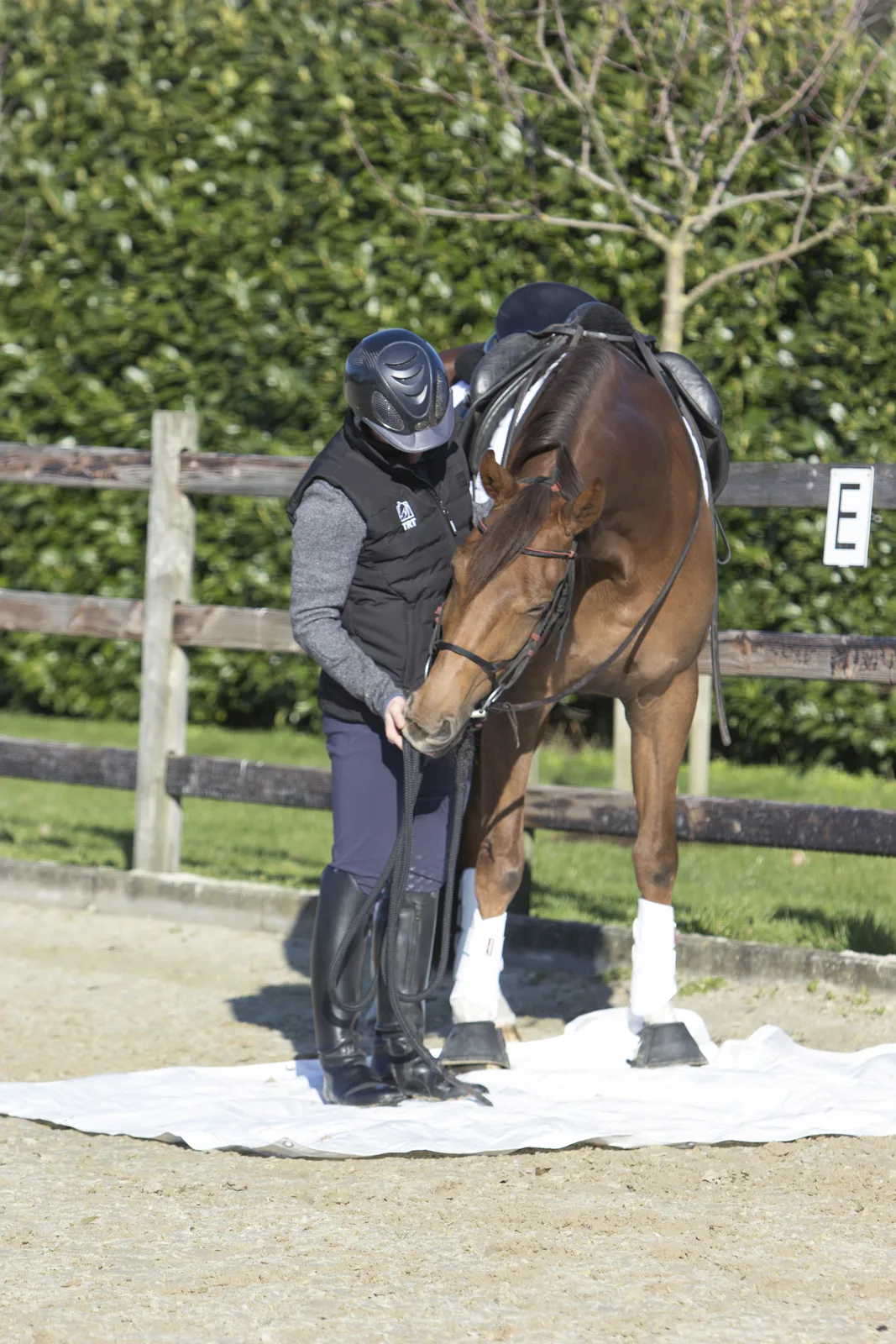 Week 5
Bridling
Choosing the bridle, a healthy mouth, preparing for the bit, putting it in, taking it off. No fight, no fuss.
5 lessons
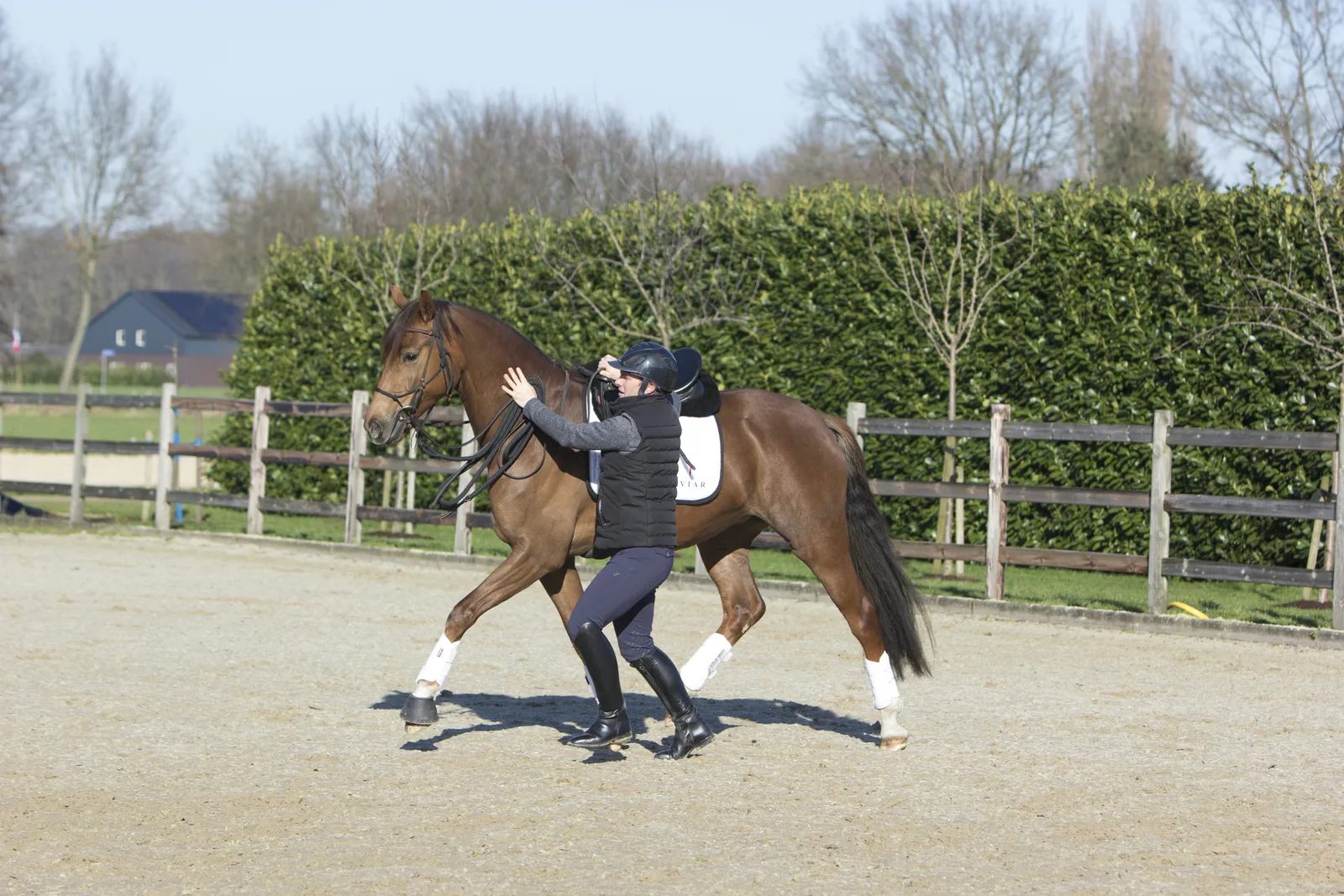 Week 6
Getting into the riding position
Shape for the carrying posture, backing up, the track, the circle, and preparing him for a rider in the saddle.
7 lessons
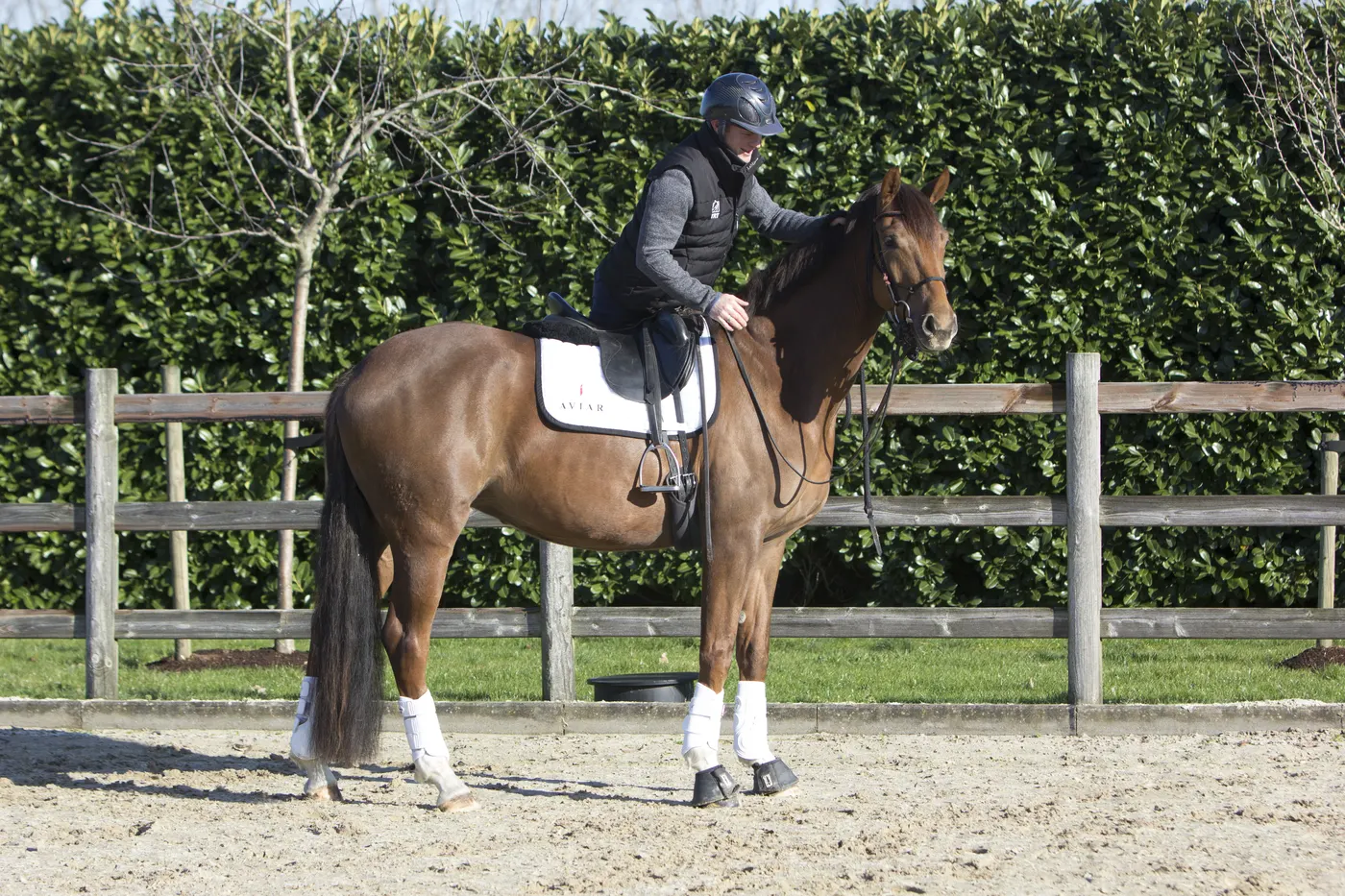 Week 7
The first ride
Foot in the stirrup, swinging the leg over, the first steps under saddle. The week everything has been building toward.
3 lessons
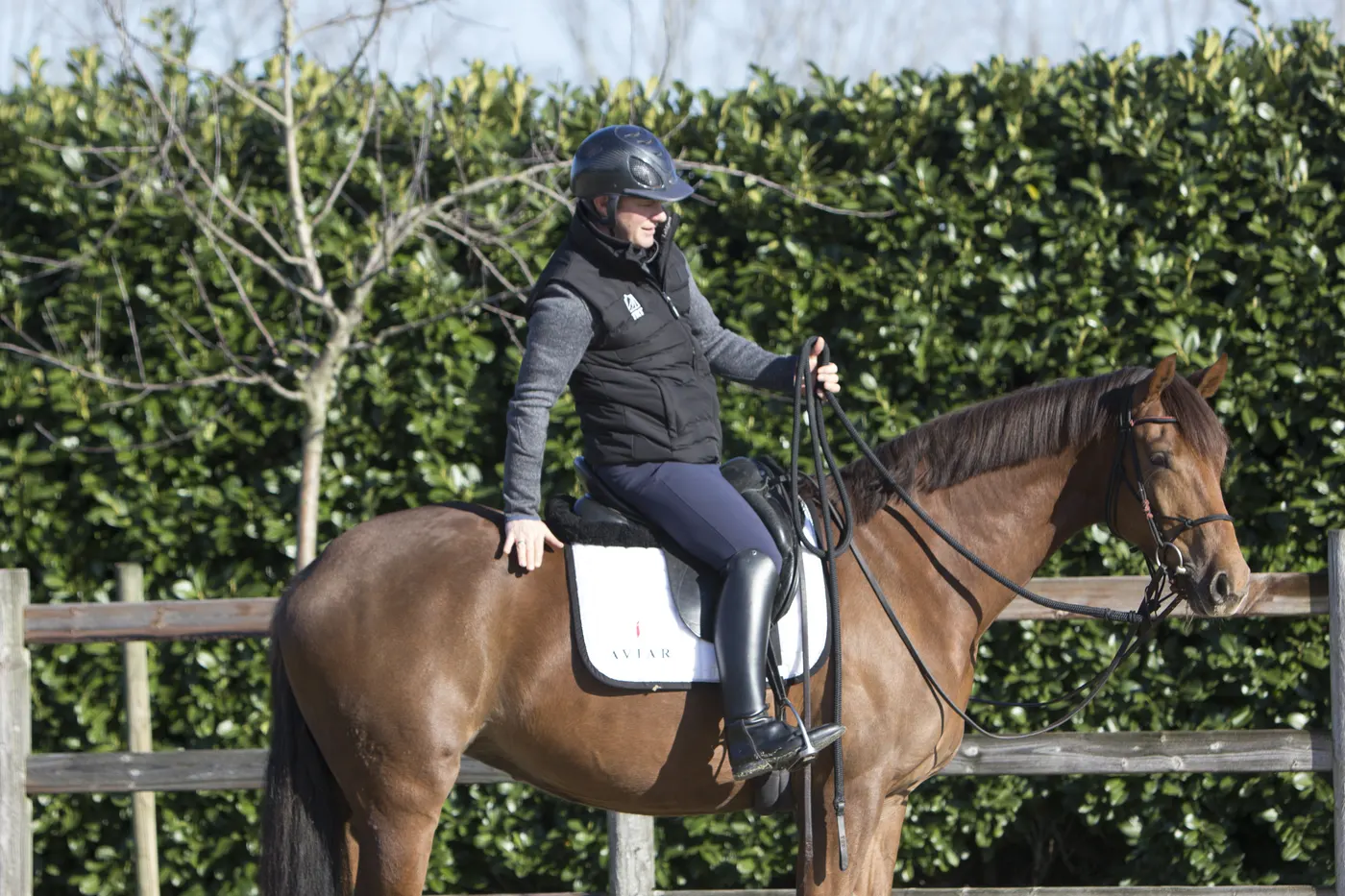 Week 8
Building on the riding
Finding shape on the circle, past the scary spots, the first canter under saddle, and the first ride outside.
5 lessons
 Case studies
Case Studies
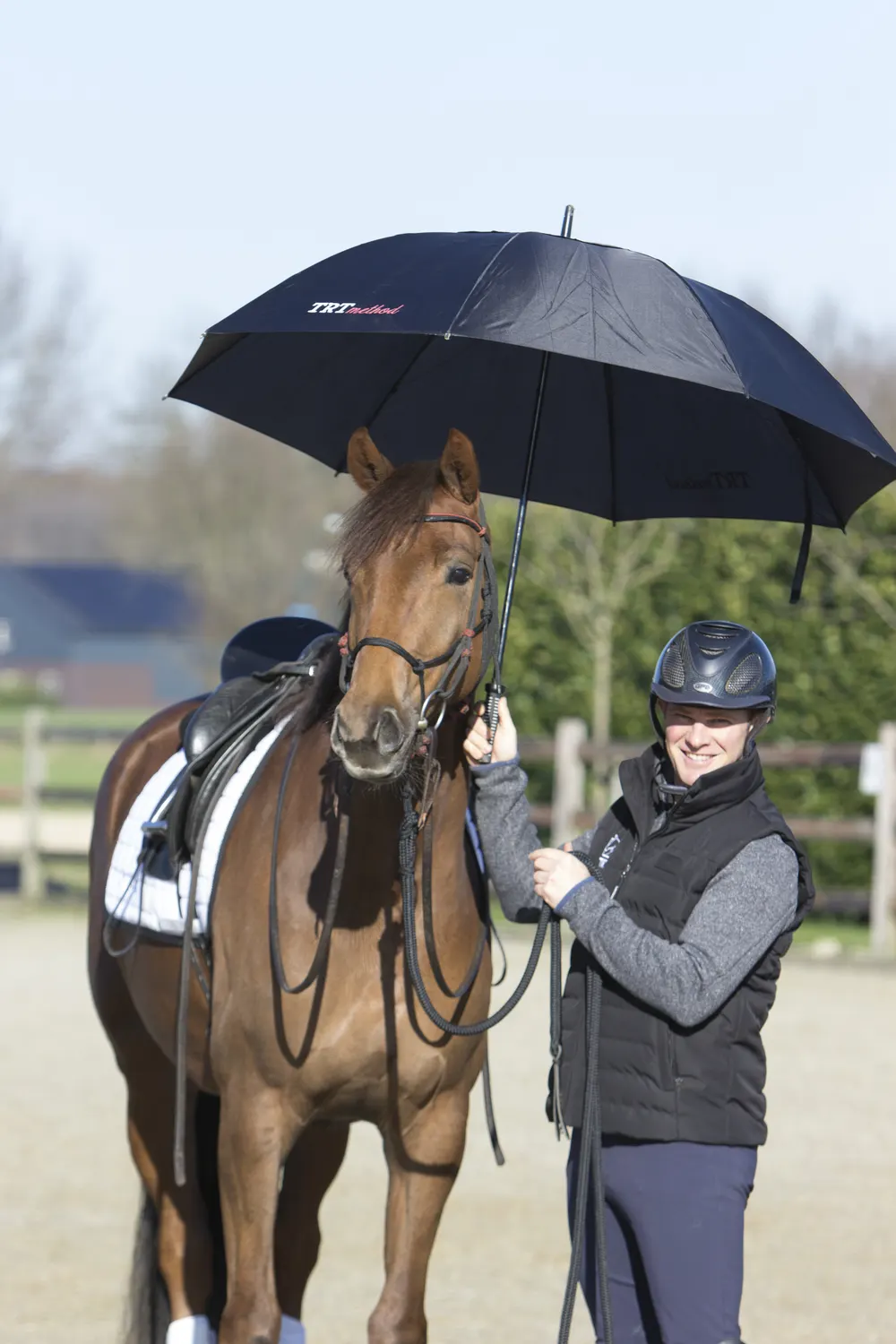
Watch complete starts unfold with real horses: a mare with previous trauma, a sensitive and active horse, a shy one, a pushy one, and the horse that could not be started under saddle, in three full sessions.
6 lessons
One week at a time, most lessons under ten minutes. You never have to work out what comes next; the program already knows.
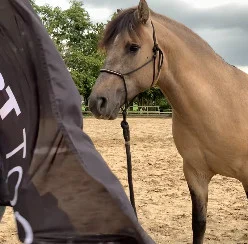
"When I saddled Aramis for the first time, you can see how the TRT self-management worked for him. He is relaxed, and at the few moments he does feel some tension, he releases it very well on his own."
 Edith-Marjan PijlmanTRT member
3 BONUSES INCLUDED
Start before starting age.
Three complete bonus courses help you build the foundations earlier and make everyday handling easier.
Bonus 01
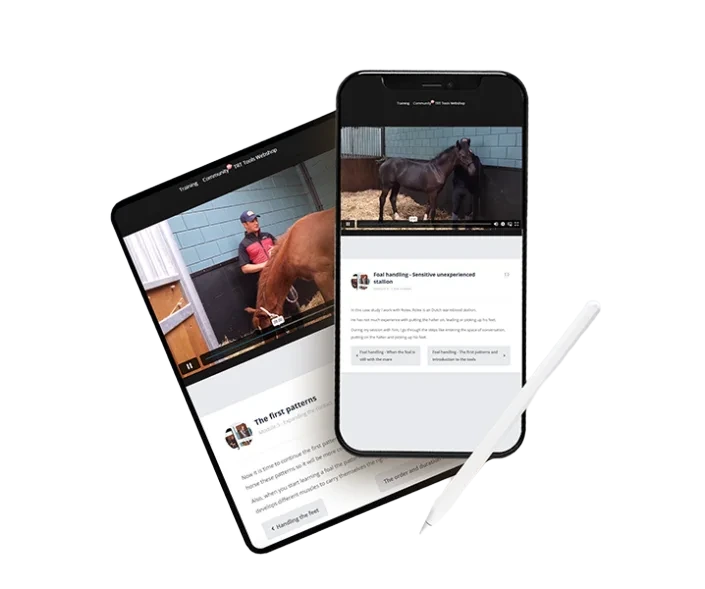
Foal Handling
First contact, handling the feet, and the first patterns that create relaxation and focus.
Included bonus course
Bonus 02
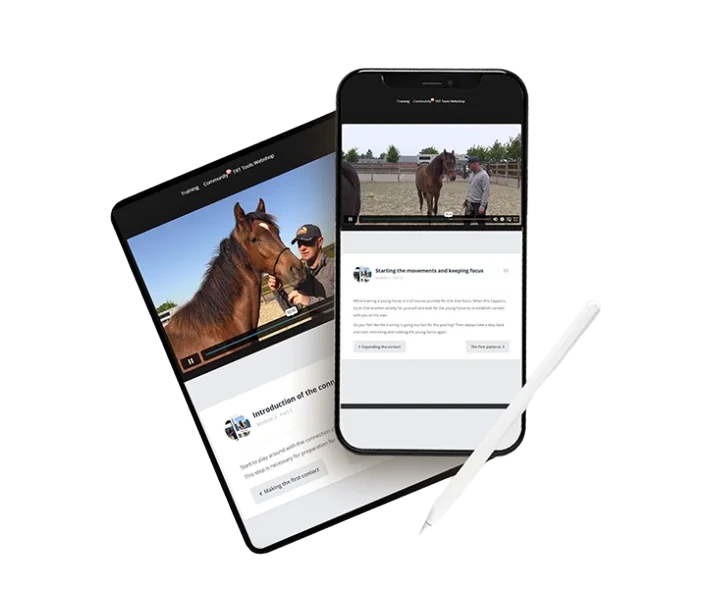
Yearling Training
Build focus and continue the groundwork patterns as your youngster grows toward starting age.
Included bonus course
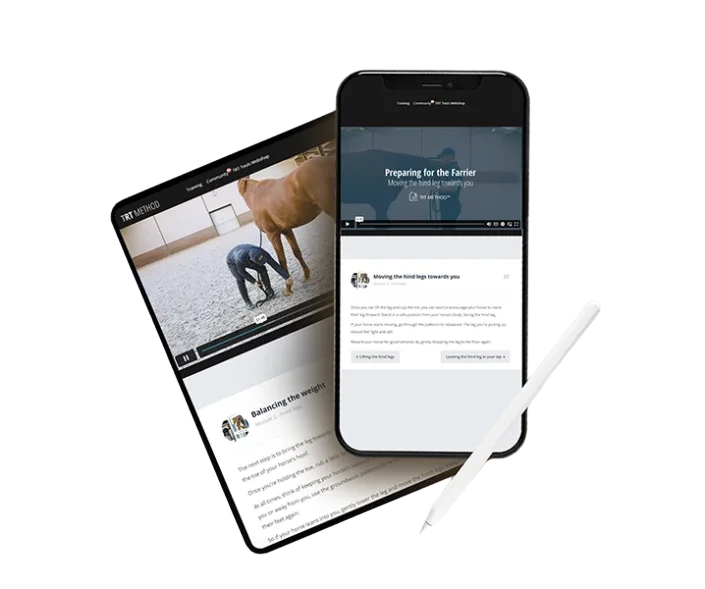
Bonus 03
Preparing for the Farrier
Relaxed feet handling from day one, so the farrier never becomes a battle or stressful event.
13 lessons · Included bonus course
WE START TOGETHER
The group starts Monday, October 12.
Everyone begins week 1 in the same week. You work through the program with riders who are at exactly the same step, share your sessions, and compare notes on the same exercises. Eight weeks later, in the second week of November, you are riding a horse that was started right.
Every week builds on the one before, so the doors close when the group starts. After October 12 the next group starts later, and your young horse keeps getting older.
€149
Join the group starting Monday, October 12."TRT has taught me so much and I've been able to do something that I could only have dreamt of."
 Lyndsay MorleyTRT member
14 LANGUAGES
Members from every corner of the world.
Because tension doesn't speak one language, the training comes with subtitles and dubs in 14 languages:
ArabicChineseDanishDutchFinnishFrenchGermanItalianJapanesePolishPortugueseRussianSpanishSwedish
 Arabic
 Chinese
 Danish
 Dutch
 Finnish
 French
 German
 Italian
 Japanese
 Polish
 Portuguese
 Russian
 Spanish
 Swedish


PERSONAL GUIDANCE
The TRT community comes with it, free.
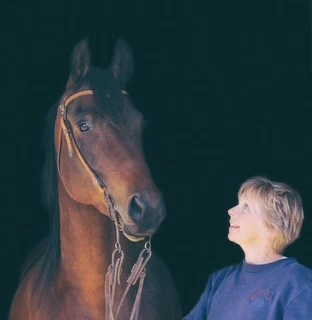
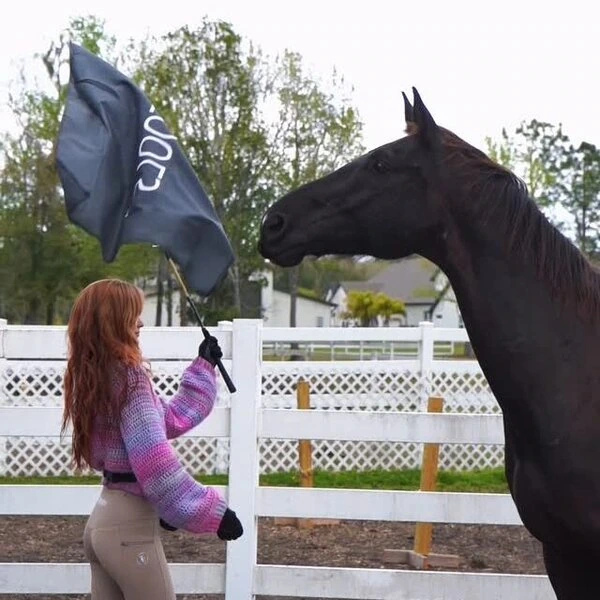
The lessons give you the order. The community gives you a place to ask the question in front of you, get unstuck, and keep moving with your horse.
Monthly live Q&A with Tristan
Bring the question you are working through right now and get direct guidance from Tristan, live each month.
Answers you can search
A searchable database of hundreds of questions already answered by the TRT team.
Riders who understand
A worldwide community working through the same method, one horse at a time.
Frequently Asked Questions
Before you decide.
The program is built for horses at starting age. Younger? The Foal Handling and Yearling Training bonuses are included, so you can begin the groundwork and handling long before the saddle comes into it.
No. The case studies include a mare with previous trauma and the horse that could not be started under saddle, in three full sessions. The steps stay the same; the pace adapts to your horse.
Then you don't ride in week 7. The checklist in week 3 exists precisely so you know where you stand, and you have lifetime access, so your horse sets the pace. The weekly order tells you what comes next, not how fast.
Most lessons are under ten minutes, and sessions with a young horse should be short. Count on a few focused sessions a week rather than daily drilling.
You have lifetime access, so you can begin whenever it suits you. But the group and the shared momentum are at their best when you start with everyone else.
No. A safe, enclosed space is enough. A round pen is ideal but not necessary.
Get Started Today
Lifetime access. One decision.
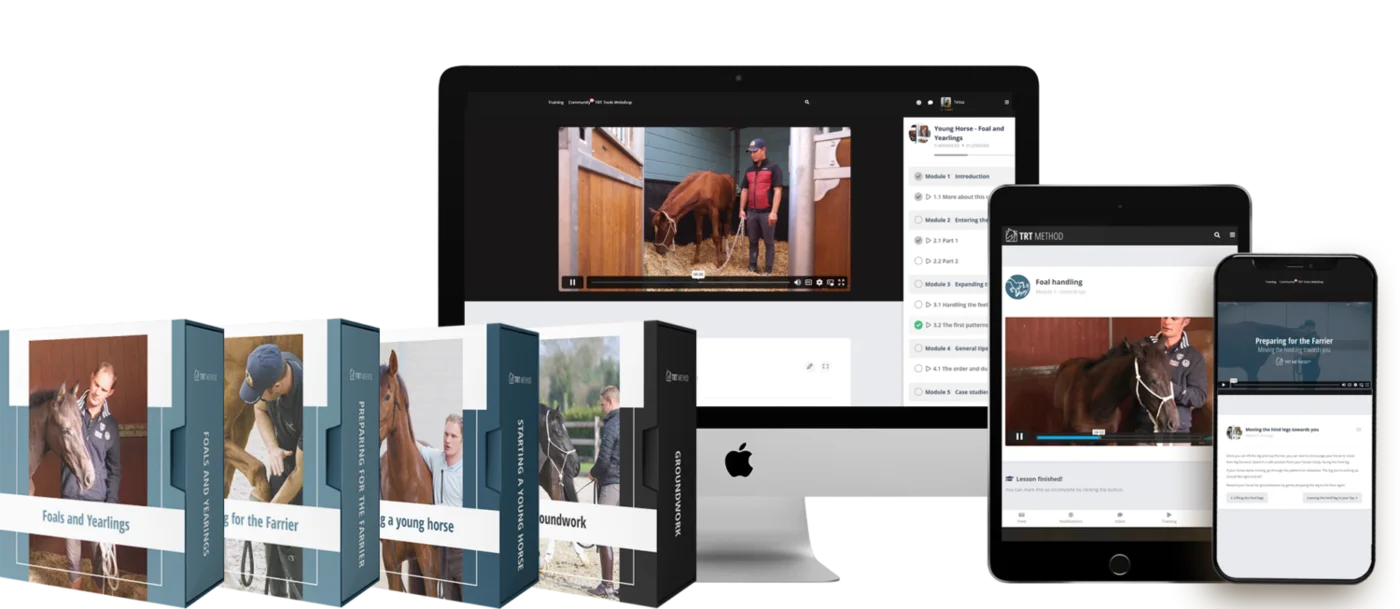
Everything included in your course
- ✓The complete eight-week Starting Young Horse Course
- ✓Six real-horse case studies
- ✓Foal Handling, Yearling Training, and Preparing for the Farrier bonuses
- ✓Live Q&As with Tristan
- ✓Training in 14 languages and personal guidance
- ✓Lifetime access
€149
One-time payment
Join the group starting Monday, October 12.
- ✓Eight-week program and three bonuses
- ✓Personal guidance and community access
- ✓Lifetime access, yours to keep
Join the October 12 group
30-day money-back guarantee
30-Day Money Back Guarantee
Try the first weeks with your horse.30 days.
Join the group, do the week 1 exercises, and join in with the community. If you feel this is not right for you and your horse, email us within 30 days.
You get every cent back.
€149 one-time · Lifetime access
Ready when you are
Your first ride is eight weeks away.
Start with the October 12 group and give your young horse a calm, prepared beginning.