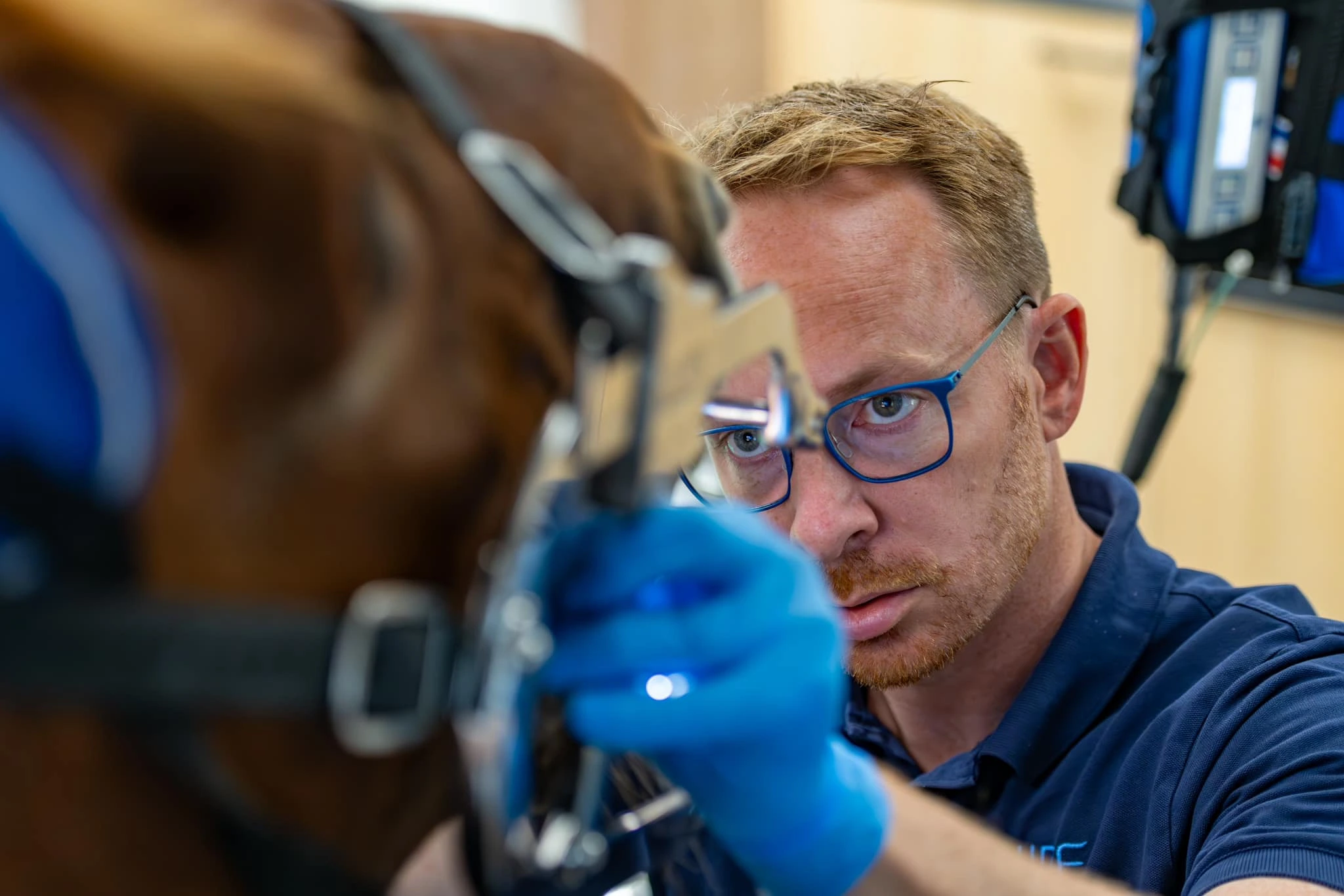
In collaboration with Wouter Demey
Rule out mouth and bit problems
In this new course, Wouter Demey, DVM, shows you exactly what to look for, how to fit the right bit, and how to release the tension at its source.
30-Day Money Back Guarantee
This is knowledge every rider and horse owner must know.
Your horse cannot tell you where it hurts. Tension surfaces first in the mouth, so learning to read it is the difference between releasing the real problem and guessing in the dark.
Most "training" problems start in the mouth.
Head-tossing, leaning, refusing contact, suddenly pulling. None of it is misbehaviour, it is communication. Most of the time it is pain, pressure, dental problems, or a poorly fitted bit talking through your horse.
That discomfort does not stay in the mouth. It becomes tension, and tension is the handbrake on everything you ask for. Until the mouth is comfortable, the contact will never feel honest, and the same exercises keep failing for the same hidden reason.
Rule out mouth problems before you change the training
Clear pain and bit pressure first, then you know whether you are training the horse or fighting tension you could have released.
Common Misunderstandings
What most riders get wrong about the mouth and bit.
An annual dental is enough
The reality
For many horses a yearly check by a good vet is plenty. But some need more frequent care, and any discomfort under saddle is a reason to have the mouth checked right away. Better still, prevent problems before they start.
A different bit will fix it
The reality
Swapping bits blindly just moves the problem. The right choice starts with understanding the mouth in front of you.
Resistance is just behaviour
The reality
Behaviour is information. When a horse fights the contact, the first question is what hurts, not what discipline is needed.
What the research tells us
The numbers are uncomfortable.
60%+
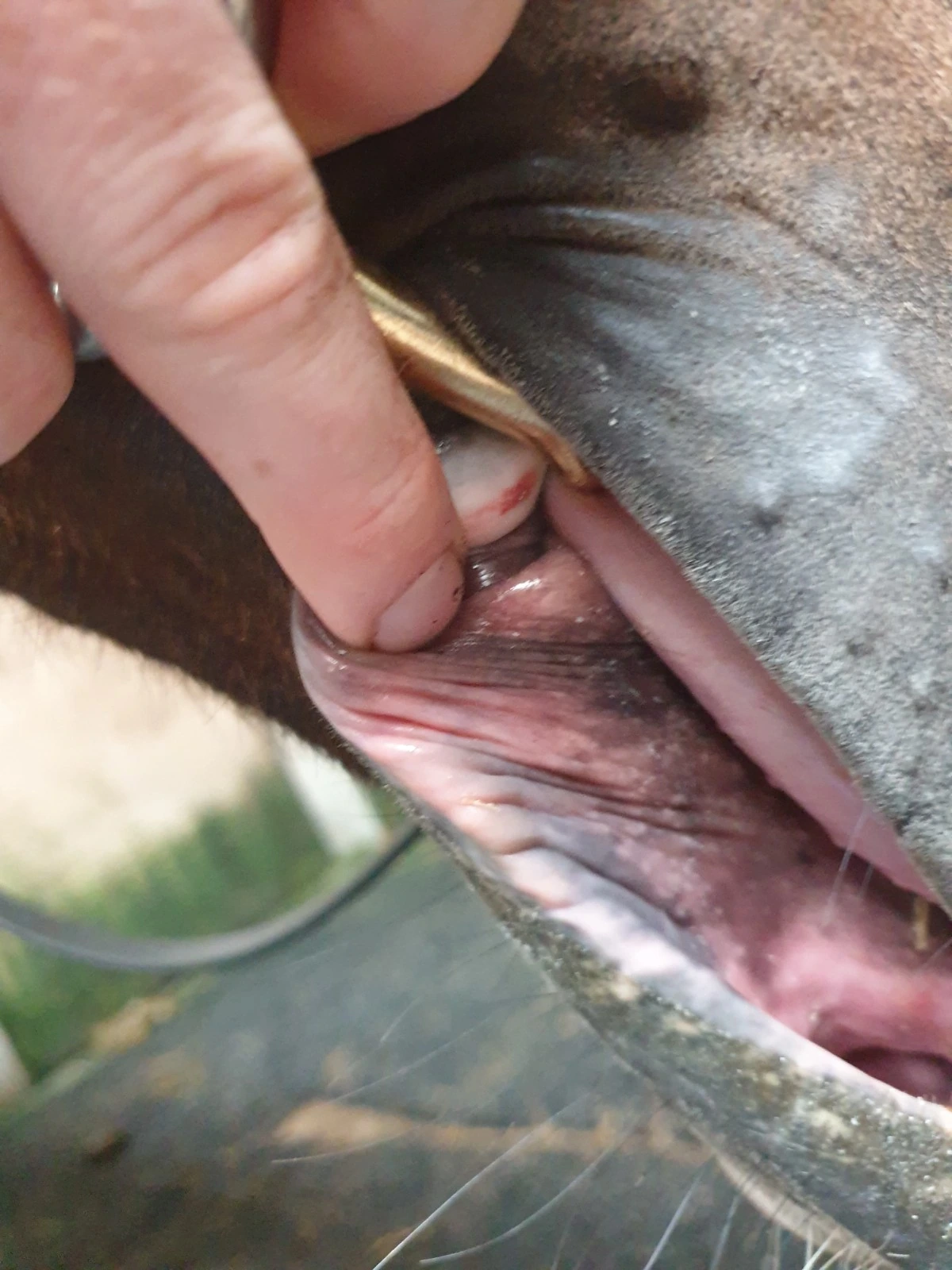
of ridden horses show active bit-related lesions. Not old scars but active wounds, and most owners have no idea they are there.
50,000
chewing motions a day in a relaxed horse. Stress shuts that down, and blood flow, saliva, and tissue health suffer with it.
0 mm
of empty space in a horse's mouth. The tongue fills it completely, so the bit does not slide into a gap, it displaces living tissue.
Your horse has been talking
Seven signs your horse is telling you something.
None of these is misbehaviour. Every one of them is communication. Once you have the framework to hear it, you cannot unsee it.
The mouth that won't stay closed
An open mouth under saddle is almost never disobedience. It is the reflex to spit out anything hard pressing on the palate or bars.
Tongue out, over, or always moving
A horse cannot take the bit out, so he moves his tongue instead. These are escape attempts, not quirks or playfulness.
Head tossing, tilting, shaking
When the mouth and tongue are trapped, the head is the last exit left. It is usually the third or fourth attempt to be heard.
White hairs where they should not be
White patches at the noseband or cheek are scar tissue from chronic, low-grade pressure. You cannot ride them out, only stop adding to them.
A jaw that has forgotten how to move
A still jaw is not focus, it is tension. When chewing stops, blood stops draining from the head and pressure builds inside it.
Asymmetry the trainer keeps fixing
Always heavier on one rein? A sore spot builds a movement pattern around the pain. If it will not train out, look inside the mouth.
The horse who has quietly checked out
The hardest sign to see is the one that looks like obedience. A horse who stopped resisting has sometimes just been worn down.
Every sign traces back to the same place: tension that lives in the body and shows up first in the mouth.
The Philosophy
Comfort in the mouth comes before contact in the hand.Always.
In this brand-new course you learn what to look for, how to choose and fit the right bit, and how to work with your dentist and trainer to solve problems instead of managing them.
The Curriculum
Three modules, eighteen tutorials, one clinical lens on every choice you make. From the anatomy of the equine mouth to the evolution of the ridden horse and bitting with confidence.
Module 01
Read Your Horse's Mouth With Confidence
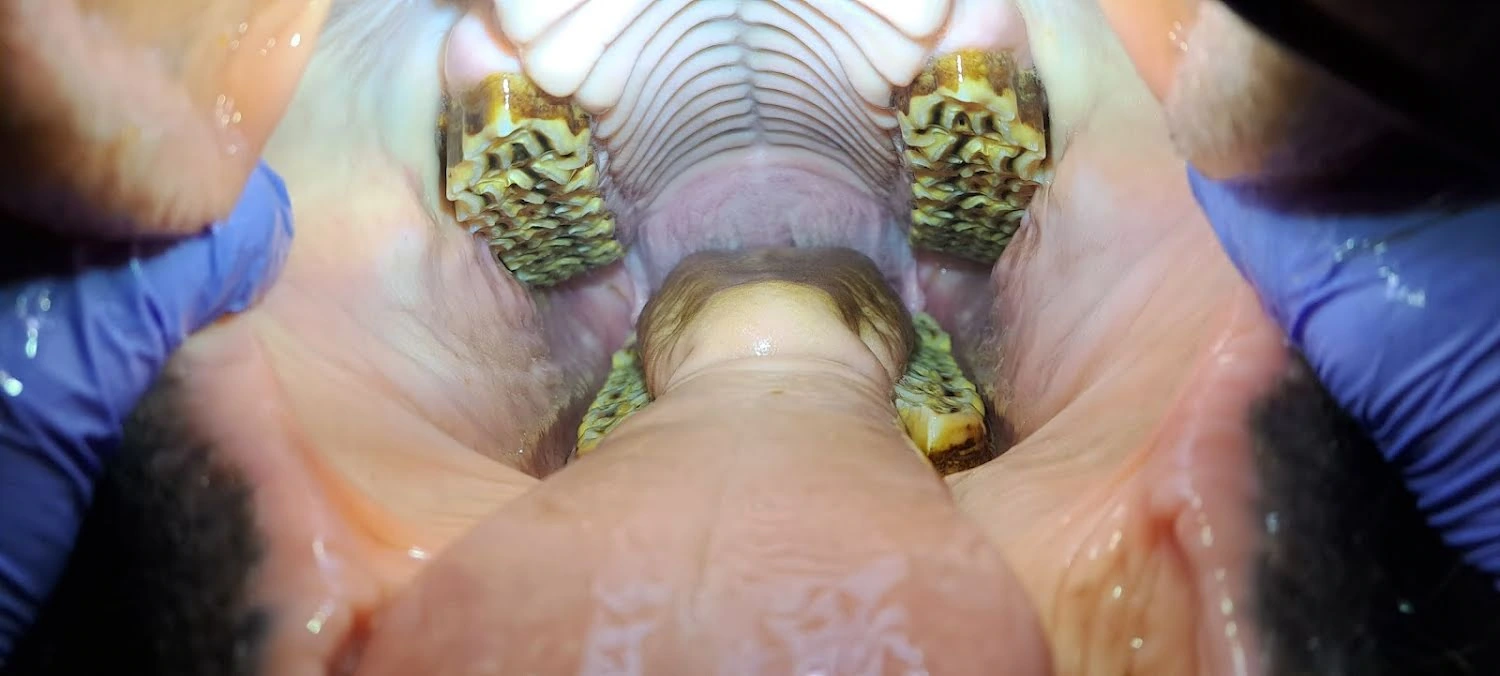
Look inside your horse's mouth and finally know what you are seeing.
The problem it solves
Most riders cannot tell a healthy mouth from a painful one, so small problems go unnoticed until they show up as resistance, lost performance, or a costly vet bill.
What you will gain
- Read the mouth with confidence: bars, tongue, palate, TMJ and what each one does
- Spot the early warning signs of an oral problem before they escalate
- Know what is normal for your horse's age so changes never catch you off guard
- Walk into a dental exam knowing exactly what is being checked and why
- Set the right check-up rhythm so issues are caught early, not after they hurt
Module 02
Know Why Your Horse Resists, and What You Can Fix
Trace tension back to the way the horse evolved, and learn what you can change today.
The problem it solves
Tension and resistance get blamed on training or attitude, when the real cause is often a mismatch between how the horse evolved and how we ride and manage it today.
What you will gain
- Understand why your horse's body reacts the way it does under saddle
- Recognise the modern mismatches that quietly create tension and resistance
- Connect mouth anatomy to tack and riding so you prevent problems, not just react
- Identify the most common oral issues before they derail your training
- Get your own questions answered in a live Q&A with Wouter
Module 03
End the Bit Guesswork for Good
Choose, check and fit a bit with total confidence, and ride with a clear conscience.
The problem it solves
Bit choice is mostly guesswork and hidden lesions go unnoticed, so riders keep buying bit after bit while the real contact problem stays unsolved.
What you will gain
- Understand what each bit really does in the mouth so you choose with intent
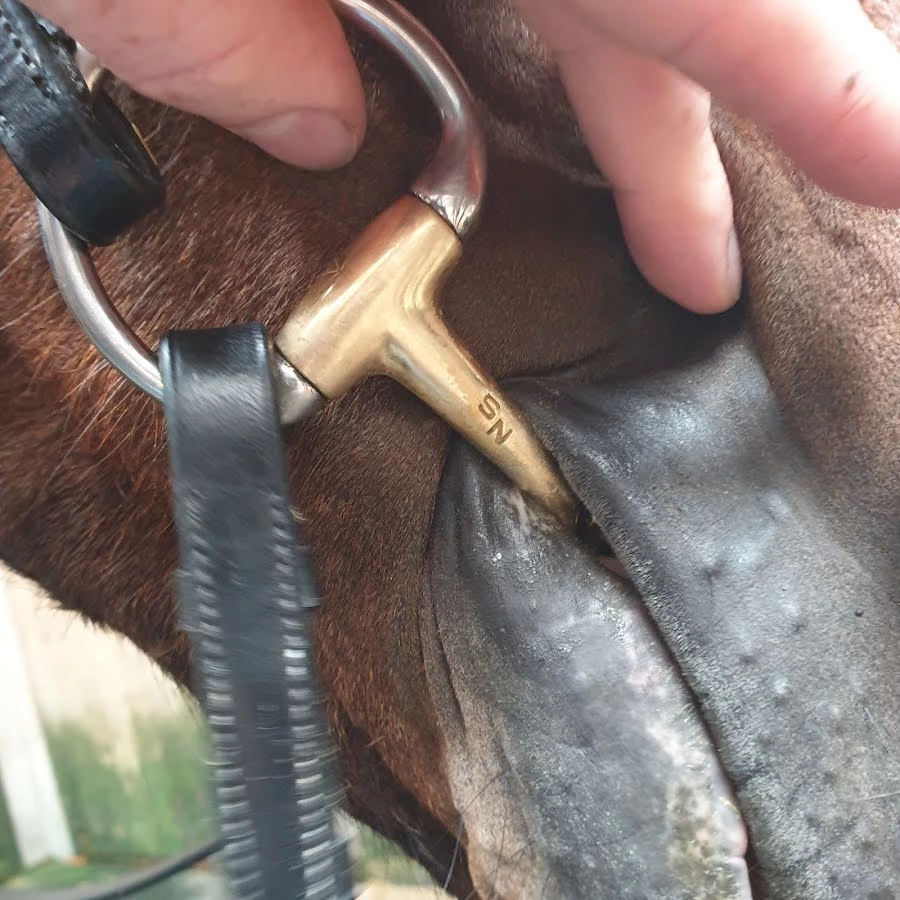
- Check your own horse for hidden bit-related lesions in minutes
- See the research most riders are never shown, and what it means for you
- Recognise which lesions heal on their own and which need veterinary help
- Fit a bit correctly for soft, even contact on both reins
Go deeper on the bit
You will also master the bit itself.
Beyond reading the mouth, the course gives you a clear, practical understanding of the bit so every choice you make is informed, never guesswork.
Bit basics
Understand the different types and dimensions, where a bit makes contact, and how its working mechanism acts in the mouth, so you know exactly what each one does.
Fitting the bit
Learn what to look for when fitting a bit, so you achieve soft, even contact on both reins and avoid the pressure points that quietly create resistance.
Your Instructor
Wouter Demey
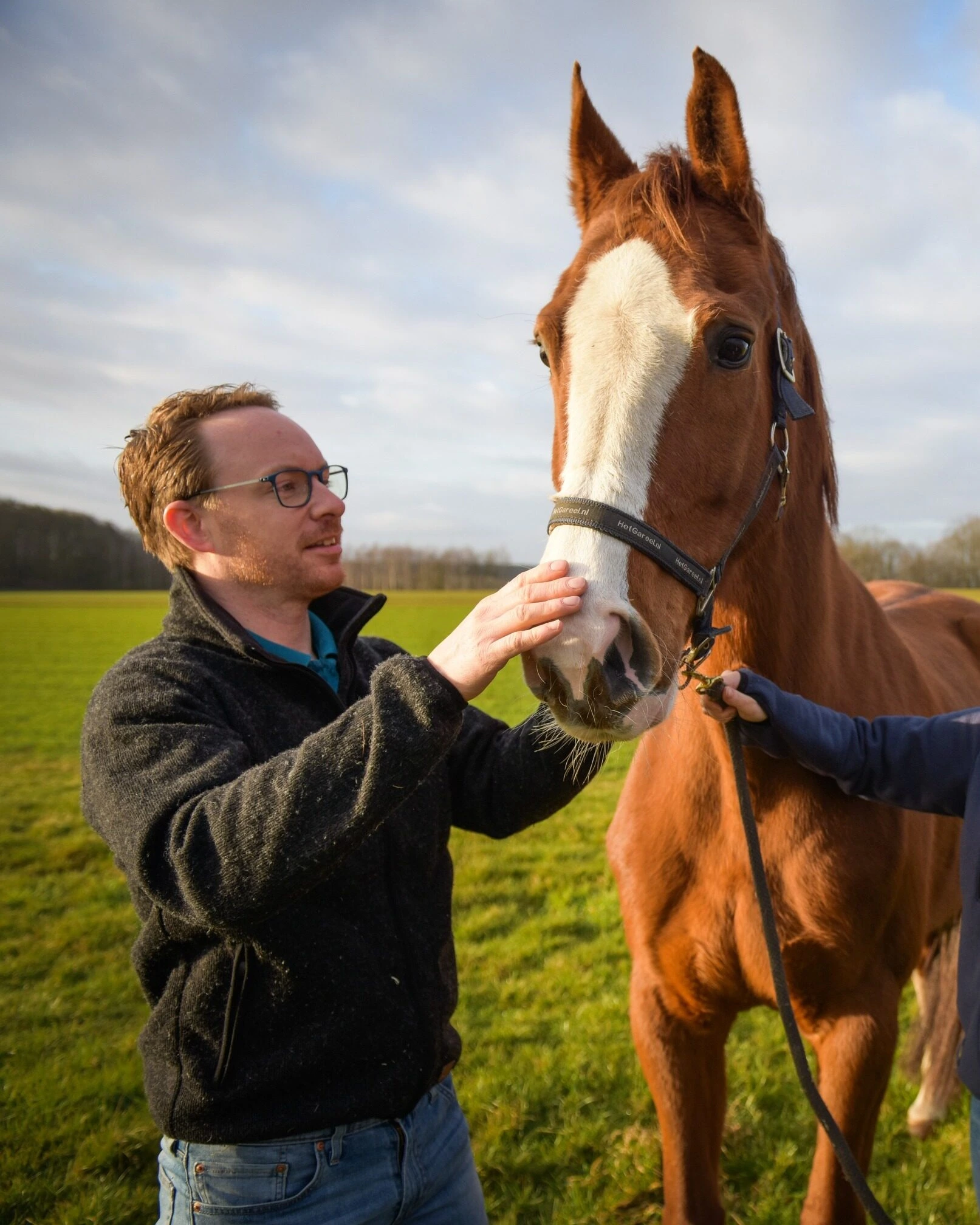
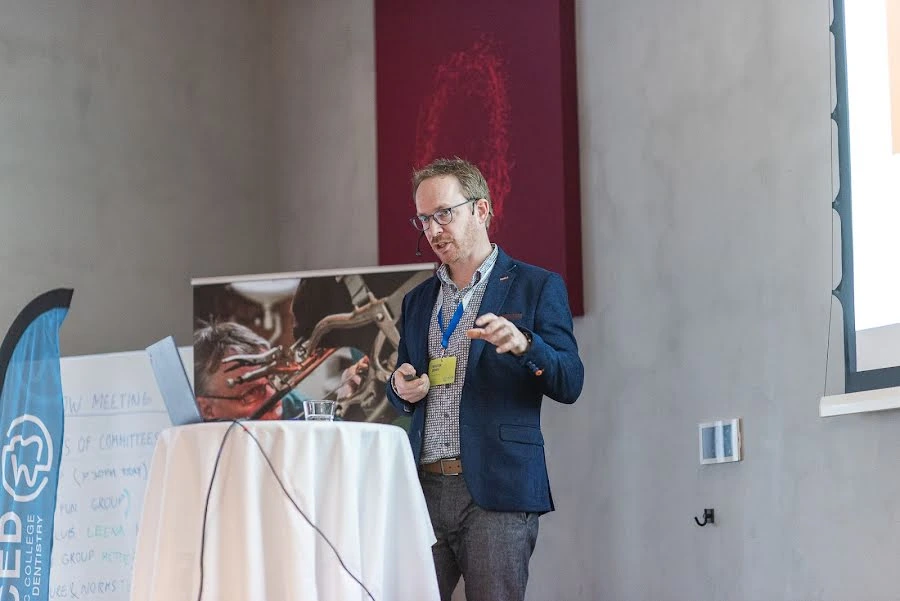
Wouter Demey, DVM, graduated from Ghent University in 2008 and has spent over fifteen years dedicated exclusively to equine dentistry. He is the founder of Equide, one of the first custom-built clinics in Europe focused entirely on dental care for horses.
He is co-founder and chairman of the Nordic College of Equine Dentistry, an international scientific network committed to evidence-based dentistry and equine welfare, and he lectures veterinarians across Europe. His guiding principle is simple: first, do no harm.
In the interview tutorials, Wouter and Tristan Tucker sit down together over the science, from the prevalence of bit-related injuries to how mouth, body, and training form one connected puzzle.
His work keeps arriving at the same conclusion the TRT Method was built on: what we see on the outside almost always traces back to something deeper. He works from the mouth outward, the TRT Method works from the mind and body inward, and they meet in the middle. Address the root, not the symptom.
118,927
Active Members
89+
Countries
Lifetime
Access to Course
Live
Q&A Sessions
Get Instant Access
The course is live now. You get instant access after purchase.
TRT x Equide Mouth & Bit Problems Course
The new course with equine dental specialist Wouter Demey.
- Full TRT x Equide Mouth & Bit Problems Course (3 Modules, 18 tutorials plus Q&A)
- Evidence-based content built with Equide, clinically framed
- Wouter's complete mouth assessment for riders
- Practical bit selection and fitting guide
- Lifetime access to all course materials
- Access to the global TRT Community (118,000+ members)
- Live Q&A sessions
Approx $107 USD · £84 GBP · A$163 AUD
The course is live now. Get instant access today.